Best Way to Keep Track of Business Receipts
Candev Team
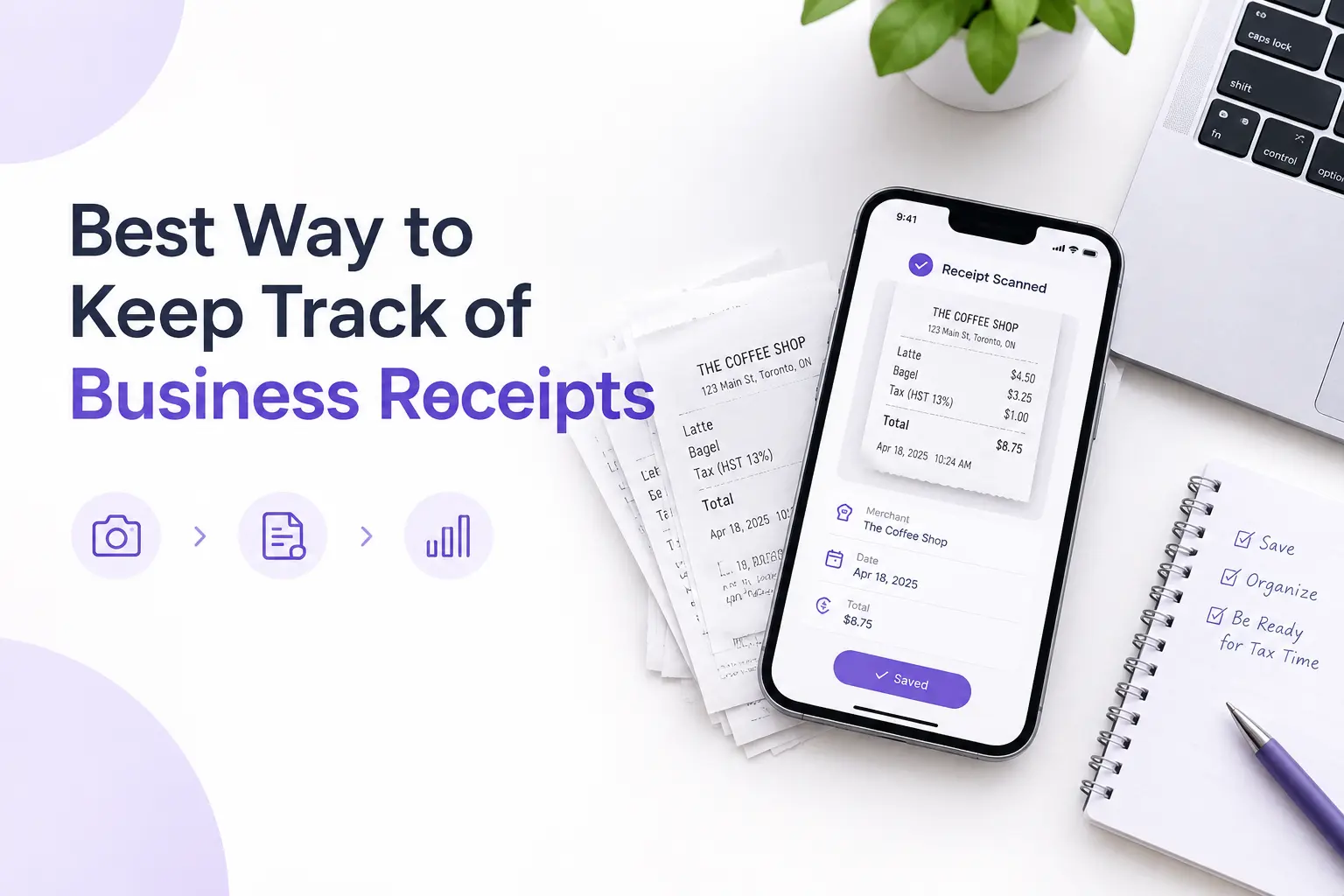
Table of contents
Save hours every month.Find the best way to keep track of business receipts. Scan, sort, and export for tax time in one simple app.
Losing a receipt feels small. But it can cost you real money at tax time. If you run a business, you already know this pain. A crumpled paper in your pocket. A faded slip in your bag. Was it a business lunch or a personal one? Who can remember? That's why so many owners search for the best way to keep track of business receipts. The good news? It's easier than you think, once you pick the right system.
This guide walks through the best way to keep track of business receipts, step by step, so you never lose money to a missing slip of paper again.
Why to Keep Track of Business Receipts
Every receipt is proof. Proof you spent money on your business. Proof you can use at tax time to support your business expense deductions . Skip this step, and you lose money you didn't have to lose. Miss a receipt, and you might miss a deduction. That's cash walking out the door.
There's also the audit angle. Nobody plans for an audit. But if one happens, you want your records ready. Not scattered. Not missing. Ready.
So when people ask what the best way to keep track of business receiptsis, they're really asking: how do I stop losing money and time? The answer starts with picking a system you'll actually stick with.
The Old-School Way And Why It Falls Short
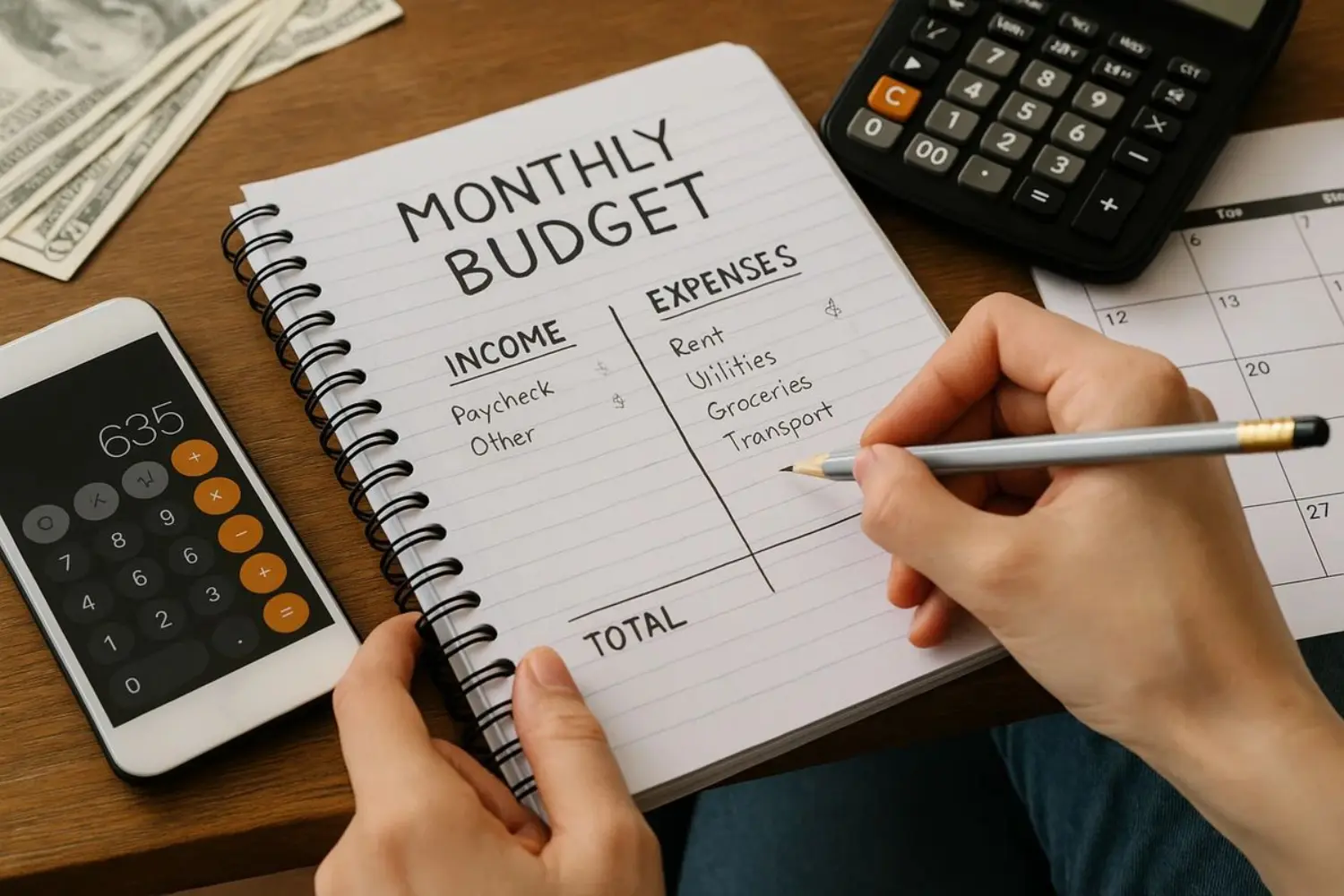
Most business owners start with paper. A folder here. An envelope there. Some try a spreadsheet, typing in totals by hand after a long day.
It works, for a while. But paper fades. Ink rubs off. Folders get lost in a move or a busy season. And typing every number into a spreadsheet? That eats up hours you don't have.
This is why the best way to keep track of business receipts today rarely means a shoebox full of paper. It means going digital.
A Smarter Way: Let an App Do the Work
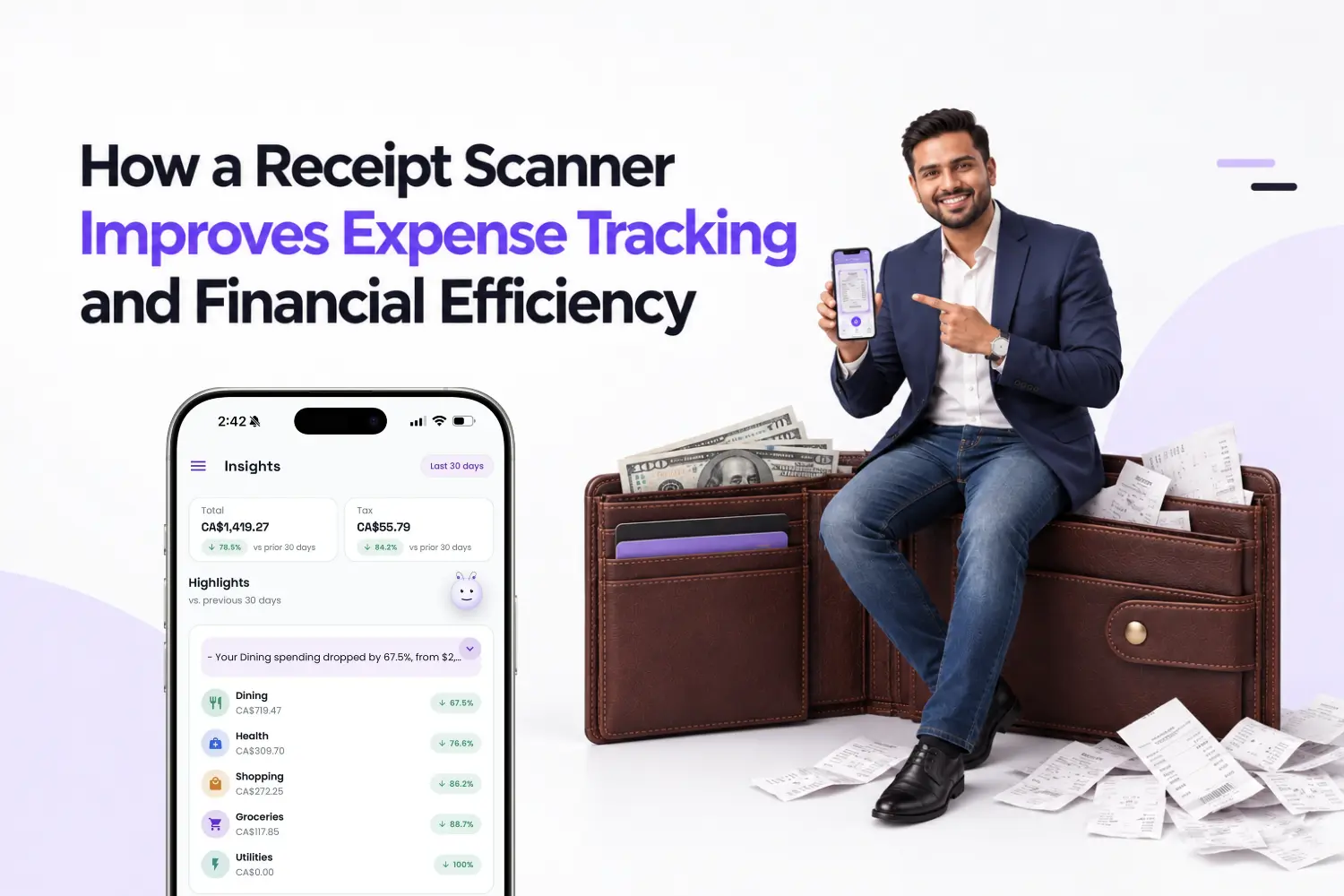
Here's where things get simple. Instead of typing every receipt by hand, you snap a photo. An app reads it for you. It pulls out the store name, the date, the tax, and the total. No typing. No guessing.
This is exactly what Receni does. Open the app, point your phone at a receipt, and within seconds the details are pulled out and saved. You just glance at it, confirm it looks right, and move on with your day.
If you're hunting for the best app to keep receipts for tax season, this kind of instant scanning is what to look for. It turns a five-minute chore into a five-second tap.
What to Look For in a Good Receipt App
Not every app is built the same. When you're picking the best app to keep track of business receipts , here's what actually matters:
Fast scanning. You shouldn't wait around for results.
Separate spaces for work and personal spending. Receni calls these Workspaces, so your business receipts never mix with your grocery run.
Clear totals and categories. You should see where your money goes at a glance.
Easy exports. Come tax season, you want a clean file ready for your accountant, not a mess of screenshots.
Mileage tracking. If you drive for work, this one's a bonus most apps skip. Receni logs your trips and builds a mileage report for you.
Keeping Track of Small Business Expenses, Not Just Receipts
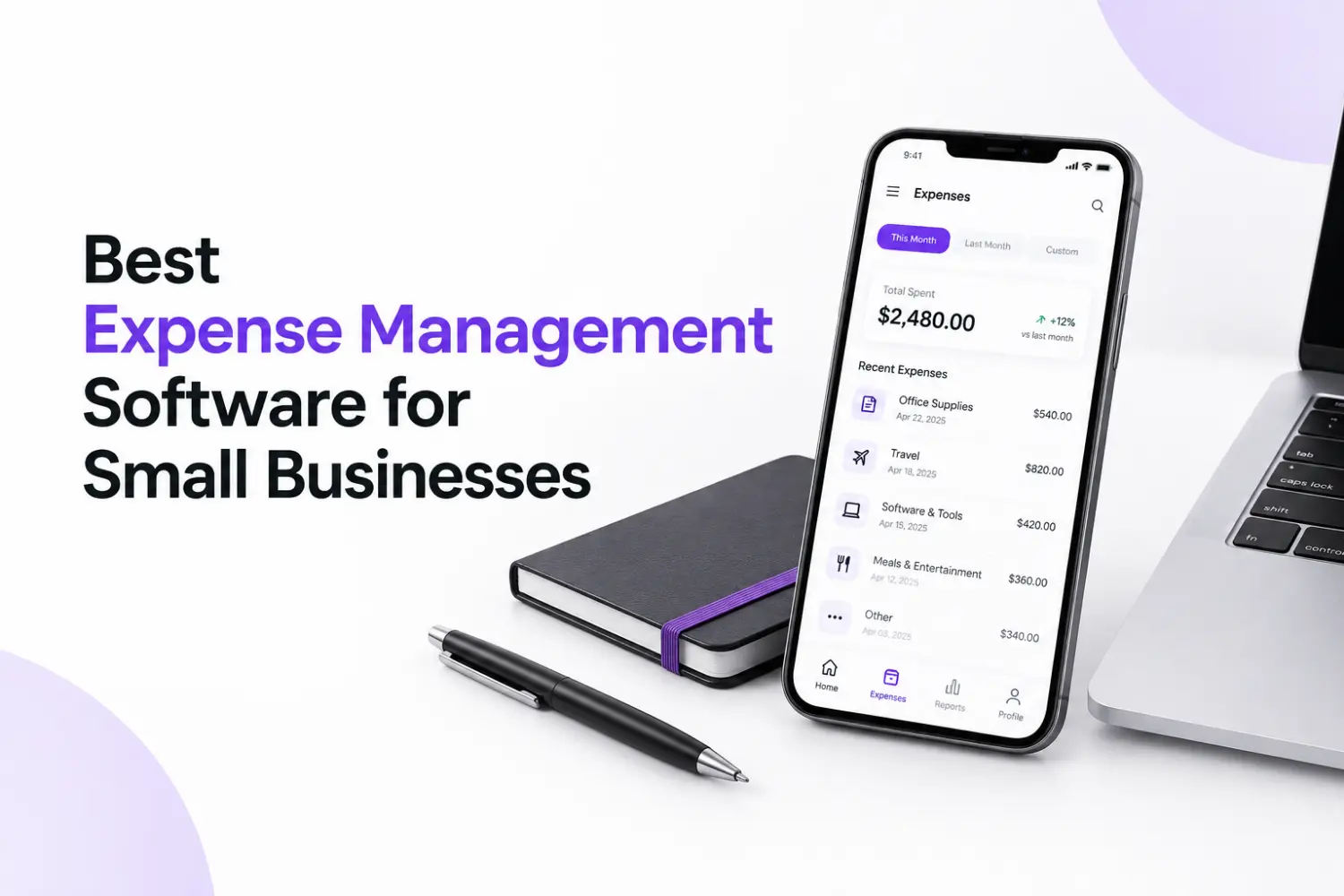
Receipts are only half the story. The other half is knowing your spending patterns. The best way to keep track of small business expenses ties your receipts to real numbers you can act on.
Set a monthly budget for things like supplies or travel. Then check in each week. Are you close to the limit? Over it? With a dashboard like Receni's, you see this in one glance, not buried in a spreadsheet tab.
How Budget Management Helps Small Businesses Control Spending
Keeping business receipts organized is important, but knowing where your money goes is what helps you make better financial decisions. This is where effective budget management becomes essential.
For freelancers and small business owners, managing a budget means more than setting a monthly spending limit. It involves monitoring expenses, identifying unnecessary costs, planning for upcoming purchases, and making sure business spending stays within financial goals.
Without a clear process, small expenses can quickly add up. A few software subscriptions, office supplies, travel costs, and client-related purchases might not seem significant individually, but together they can put pressure on your business budget.
Why You Need a Budget Management System
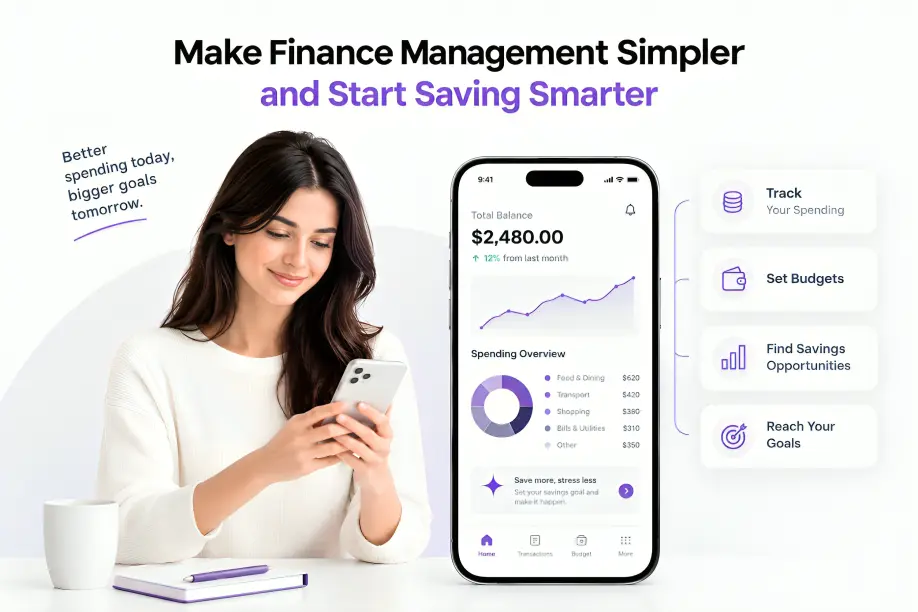
A reliable budget management system gives you a structured way to organize income, expenses, and spending limits. Instead of relying on memory or checking multiple spreadsheets, you can monitor your business finances in one place.
A practical system should help you:
Set spending limits: Decide how much your business can spend on different categories each month.
Monitor expenses: Track purchases as they happen instead of reviewing everything at the end of the month.
Identify spending patterns: Understand which categories consume most of your budget.
Prepare for upcoming costs: Plan for recurring payments, subscriptions, taxes, and seasonal expenses.
Review financial progress: Compare actual spending against your planned budget.
The goal is to make financial decisions based on real spending information rather than assumptions.
Choosing the Right Budget Management App or Software
Spreadsheets can work for basic expense tracking, but managing multiple expense categories and transactions manually becomes difficult as a business grows.
A budget management app or dedicated budget management software can simplify this process by bringing expense tracking, categorization, and financial reporting together.
When comparing different budget management tools, look for features that solve everyday financial problems:
Automatic receipt scanning to reduce manual data entry.
Expense categorization to keep transactions organized.
Budget tracking to monitor spending against monthly limits.
Spending summaries to identify where your money is going.
Exportable reports to make financial reviews and tax preparation easier.
For freelancers and small businesses, a tool that combines receipt management with expense tracking can be particularly useful. Receni, for example, uses AI to extract receipt details and organize business expenses, while its dashboard helps users understand their spending patterns.
This means you spend less time entering transaction details and more time reviewing the information that matters.
Budget Management Skills Every Business Owner Should Develop
Even with the right software, good financial decisions still depend on consistent habits. Developing practical budget management skills helps you use your financial information more effectively.
Start with these simple practices:
Review expenses weekly: Check your recent purchases and identify spending that was not planned.
Separate business and personal costs: Keep transactions organized to avoid confusion when reviewing business finances.
Set realistic spending limits: Base your budget on actual business needs and previous spending rather than unrealistic targets.
Track recurring expenses: Review subscriptions, software fees, rent, and other regular payments to identify unnecessary costs.
Adjust your budget regularly: Update spending limits when your revenue, business needs, or operating costs change.
Remember, budget management is not about avoiding every expense. It is about understanding which expenses support your business and which ones can be reduced.
With organized receipts, consistent expense tracking, and the right tools, you can build a more reliable approach to managing business finances.
Simple Habits That Make It Stick
A good app helps, but a few habits make it even better:
Scan right away. Don't let receipts pile up in your bag or wallet.
Back up to the cloud. Paper can burn or get soaked. Digital copies don't.
Keep business and personal spending apart. This alone saves huge headaches later.
None of these habits are hard. But together, they add up to the best way to keep track of business receipts all year long, not just at tax time.
Do these three things, and you've already found the best way to keep track of business receipts without much extra effort.
The Bottom Line
You don't need a perfect system. You need a simple one you'll actually use. For most business owners, the best way to keep track of business receipts is to stop relying on memory and paper, and let an app catch the details for you.
Receni does the scanning, the sorting, and the tracking, so you can spend less time on paperwork and more time running your business. If you've been searching for the best way to keep track of business receipts, this is your sign to stop guessing and start scanning.
Try Receni free no credit card needed. Works on iOS and Android.